Featured
Table of Contents
During extended exposure (PE) an individual is progressively subjected to their trauma-related memories, worries, feelings, and sensations about the occasion(s) to learn that these are no longer harmful or need to be prevented. Clients commonly meet a therapist when a week for 3 to 4 months. PE is strongly recommended by the American Psychological Association as a first-line treatment for PTSD.
CPT is considered a first-line treatment for PTSD and is highly advised by the APA. Cognitive behavior modification (CBT) concentrates on thoughts, sensations, and actions, and the relationship in between them. A trauma-focused therapist may help a client recognize how they are considering their injury and how to change it into even more practical thinking.

This therapy is highly recommended by the APA for the treatment of PTSD. Trauma-focused cognitive behavioral therapy (TF-CBT) addresses the mental wellness needs of adults dealing with the harmful impacts of very early injury. The therapy is especially delicate to the unique issues of young people with post-traumatic anxiety and mood problems resulting from sexual misuse, along with from physical misuse, violence, or despair.
Eye motion desensitization and reprocessing (EMDR) was established as a treatment for PTSD. It entails processing the memory and the method it is kept in the brain, which minimizes troublesome triggers and signs. Throughout this therapy, different methods of bilateral simulations can be made use of to focus on memories of the injury.
Creating Realistic Expectations Matched with True Needs
Created exposure therapy (DAMP) is a short, evidence-based behavior psychotherapy in which people are gradually subjected. While in conventional direct exposure treatment, the person is revealed to the concern things or experience, in written exposure therapy, the person will certainly author regarding the injury memory. In a collection of five short (50 to 60-minute) sessions, the individual will certainly create in detail regarding the ideas and emotions they had at the moment of the occasion.
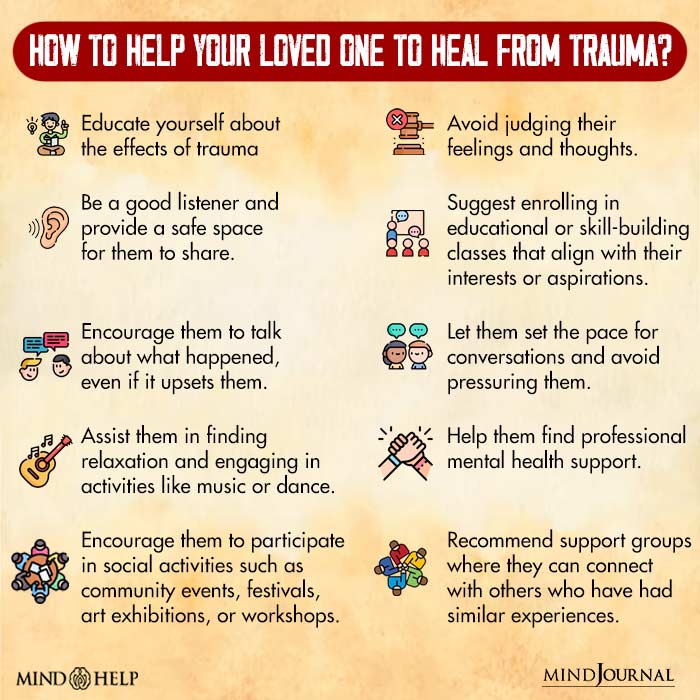
These can be especially helpful when you're concentrated on healing from trauma while in a connection, as they assist you control emotions and build safer connections. Below are some corresponding and alternate treatments that may likewise be helpful for individuals with injury: approaches combine cognitive treatments with somatic strategies that influence the human bio-energy systems such as meridians, chakras and the biofield to boost physical, psychological, psychological and spiritual wellbeing.
Yes, unresolved injury can cause anxiety and many various other unfavorable results on a person's behavior, psychological, psychological, and physical health. To help take care of these effects, the majority of undertake trauma therapy treatment. When the injury remains unsettled, there will likely be constant triggers that a person may react to wrongly. They may create an exaggerated emotional feedback due to the fact that they are tips of the unsettled trauma.
Unresolved trauma in grownups may be the outcome of many different occasions, consisting of sorrow, motor vehicle mishaps, physical misuse, sex-related abuse, and spoken misuse. Unsolved injury and relationships do not fit together well.
Understanding the Cycle of Overcommitment and Shutdown
The factor professional trauma therapy treatment is commonly necessary is that individuals may not also understand they have unsettled trauma. Several grownups are typically amazed by the reasons for their trauma discovered in expert treatment. Whatever the cause, injury therapy treatment for unsolved trauma can help you process the hard experience and alter the negative thoughts and behavior patterns that might be strengthening your unfavorable sensations.
Many unsolved injury signs are undetectable, and you may not know that a person is having problem with it unless they directly rely on you about it. You may see out for some common indicators of dealing with the impacts of unsettled injury. These indicators consist of the following: Avoidance or worry of emotions, items, people, or locations that can be associated to a traumatic experience Bouts of anxiety or panic strikes because of common circumstances Adjustments in sleeping pattern Chronic or ongoing clinical depression Dissociation in circumstances and discussions Feelings of badness, pity, insignificance, or unimportance Sensations of detachment, isolation, and isolation Flashbacks, nightmares, and memories concerning the traumatic experience Hypervigilance Self-harm and self-mutilation Self-destructive ideas or efforts Substance abuse or consuming problems in an effort to numb negative emotions Irrepressible anger If you or a person you appreciate is experiencing any kind of among these particularly if it's taking place constantly and is hindering your every day life it's time to seek specialist assistance.
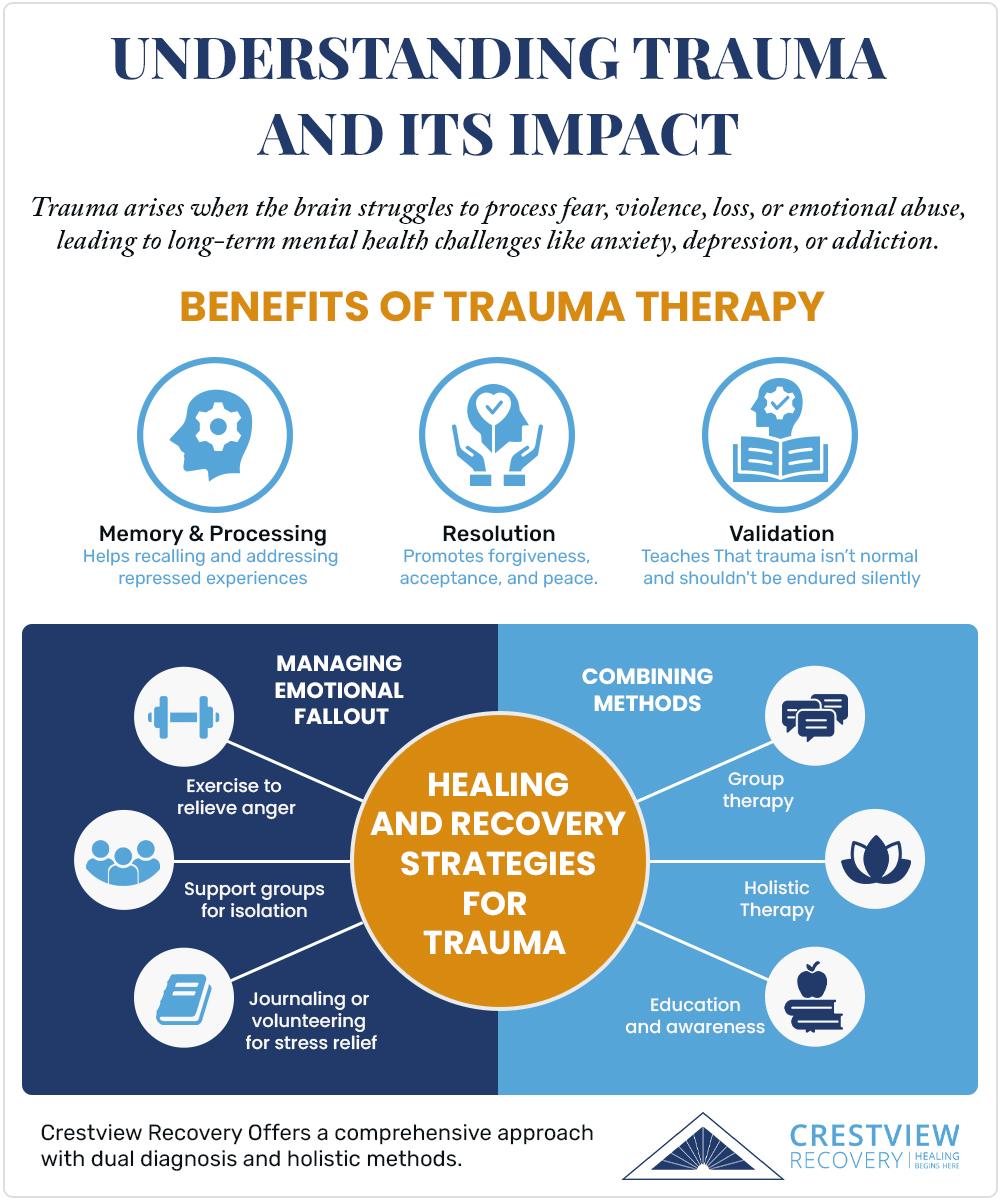
Most customers get confessed into a trauma therapy treatment program due to the fact that they wish to deal with unresolved trauma and improve connections. Their close connections may have been damaged by the means they have actually been handling their trauma without expert help. While they will certainly see an enhancement in their relationships, this adjustment may require time and not happen as soon as possible.
Attention Deficit Assessment and Proper Diagnosis
In some cases, it reveals up in refined, silent manner ins which shape just how you assume, really feel, and connect to the globe. When injury is unresolved, it means the body and mind haven't completely integrated or processed what happened. You might not even bear in mind the occasion clearlyor consider it as "that negative"yet your worried system still reacts as if the threat is ongoing.
Unsettled injury can press you outside this windowinto (stress and anxiety, anger, hypervigilance) or (numbness, shutdown, fatigue). The trauma might be in the past, yet your body and mind may still be supporting for effect.

Latest Posts
Getting Ready for EMDR therapy
Your Recovery Process: Next Steps
Role of Psychological Safety during Emotional Healing in El Dorado Hills, CA