Featured
Table of Contents
Feeling emotionally "flooded" and unable to relax. These reactions aren't signs of personal failurethey're indications that your nerves is embeded survival mode. Lots of people with unsolved injury prevent situations, areas, or discussions that advise them of agonizing experiences. Evasion can take lots of kinds, such as: Staying excessively hectic to stay clear of considering the past.
Physically avoiding certain locations or people linked to the trauma. Injury doesn't simply influence the mindit also lives in the body.
Burnout and Recovery Pathways
This happens due to the fact that the nervous system continues to be on high alert, keeping the body in a state of tension. If you've ruled out medical causes for persistent physical signs and symptoms, injury could be playing a role.
At Firefly Therapy Austin, we provide numerous evidence-based techniques to injury recovery, including: A therapy created to help the brain reprocess stressful memories, decreasing psychological strength. Study shows that 5 hours of EMDR can get rid of PTSD signs in 84-100% of individuals with a solitary distressing experience. A body-focused strategy that assists launch saved trauma with physical sensations and activity.
Accessing Intensive: Somatic/Polyvagal Focus Around Rhode Island
You do not have to bring this alone.
Injury influences us in different ways. In the short-term, it can cause emotional responses such as horror, complication, shock, isolation, and dissociation, whereas over time, it can affect our actions, psychological state, and capacity to function. Trauma can additionally place the body in a state of stress and anxiety and creates physical signs such as a racing heartbeat, migraines, nausea, digestion difficulties, inadequate sleep high quality, and a tendency to surprise conveniently.
Vagal Approaches to Stress Response Balance
Zackson explains. This write-up checks out the signs, creates, diagnosis, and therapy of unsettled injury. These are several of the usual signs of unsolved injury, according to Dr. Zackson: Hypervigilance and lack of ability to allow one's guard down Lack of count on and difficulty opening to other people Dissociation and a consistent feeling of feeling numb Control issues, to recompense for feeling defenseless during the terrible event Low self-esteem and sensations of worthlessness Anger concerns and trouble regulating feelings Hypertension and cortisol degrees Rest troubles, consisting of sleeplessness and nightmares Frustrations, queasiness, sweating, or digestive system problems Tightness in the breast or a pit in the belly Somatic fixation (too much emphasis and extreme distress concerning physical signs) Physical memories that trigger physical flashbacks of the experiences, smell, taste, discomfort, and pressure of the traumatic experience Psychological health and wellness problems such as anxiety, anxiety, substance usage disorder, or trauma (PTSD) Unsolved injury is an unseen ailment.
, it's likely that it will certainly never ever be totally solved. Treatment for unresolved injury begins with producing a risk-free and caring setting where the survivor really feels secure sufficient to process the injury that has been quelched and pushed right into the 'black box'. The medical professional very carefully and safely opens this 'box,' permitting patients to come to be aware of their experiences.
Reframing Years of Challenges as Neurological Difference
There is no certain time structure for recuperation from unresolved trauma. They can look back on their distressing experience and find out that they are stronger than they ever thought of.
According to Dr. Zackson, these are some kinds of therapy, preferably performed by knowledgeable trauma professionals, that can help treat unresolved trauma: We've tried, examined, and created impartial evaluations of the ideal online therapy programs consisting of Talkspace, BetterHelp, and ReGain. Learn which choice is the very best for you. Verywell Mind uses only premium sources, consisting of peer-reviewed studies, to support the facts within our posts.
Health Aff (Millwood). 2019; 38( 10 ):1662 -1669. 2019; 49( 6 ):1041 -1046.
Finding Experienced Intensive: Somatic/Polyvagal Focus Clinicians in Rhode Island
2016; 49:79 -91. Front Psychiatry. 2021; 12:767760.
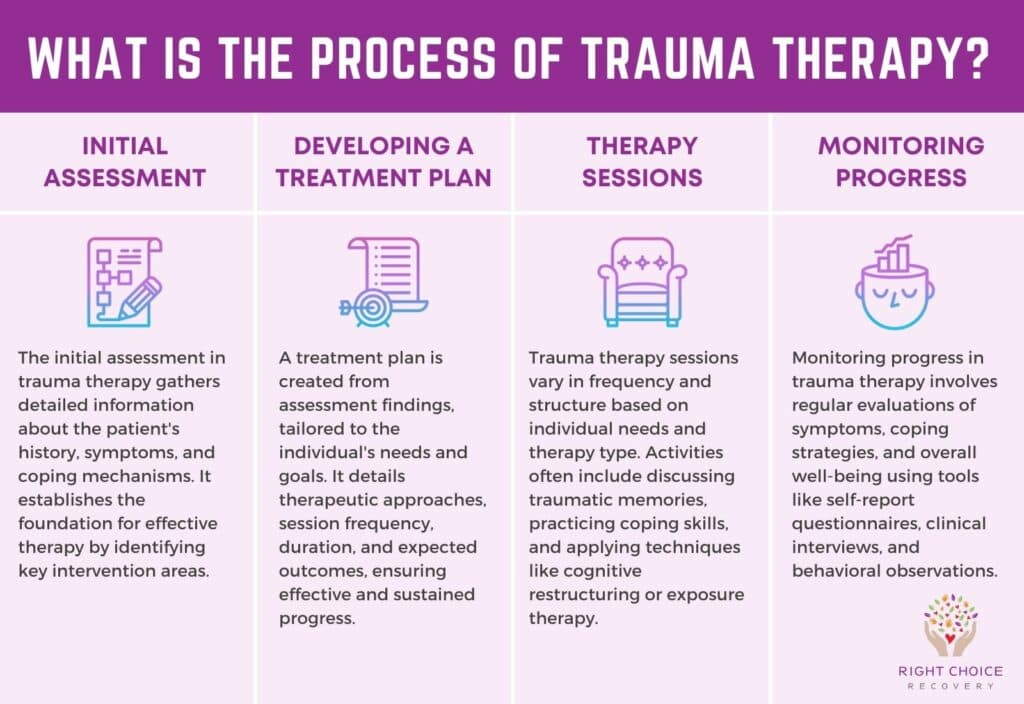
Behaviorally, people might withdraw from social activities, prevent particular areas or people, and reveal decreased motivation or focus. Physical signs are also prevalent, such as rest disturbancesincluding insomnia or nightmaresmuscle stress, migraines, or stomach issues. These physical responses are component of the body's tension reaction to injury. Cognitively, injury survivors might create adverse ideas about themselves or the globe, such as feeling not worthy or unsafe.
Mood adjustments can range from temper and fear to shame and sadness. All these symptoms are indicators that trauma has impacted the individual's mental and emotional health and wellbeing. If these signs linger or intensify with time, they might create into problems like Post-Traumatic Tension Condition (PTSD). Recognizing these indications early and looking for specialist help can assist in efficient treatment and assistance recovery.
Another extremely reliable method is Prolonged Exposure treatment. This technique urges steady conflict of trauma memories and scenarios that remember the traumatic event.
Exploring Anxiety From a ND-Affirming Lens
These approaches aid individuals reframe negative ideas, minimize intrusive memories, and take care of emotional responses a lot more successfully. Addressing trauma's effect on emotional, cognitive, and physical health and wellness is essential. Therapy intends to restore a sense of safety and security and trustboth in oneself and in connections with othersby fostering durability and personal growth. Part of this healing procedure is psychoeducation, where people discover their responses and establish sensible coping skills.
It's an excellent question, and one worth discovering deeply. While many of us make use of the words "injury" and "stress" as if they indicate the same thing in day-to-day discussion, there's really a lot more to understand about just how trauma distinctively affects our mental health and wellness.
Consider injury reactions as your body and mind's method of shielding you when something takes place that feels also big to deal with. When we experience something frustrating or deeply traumatic, our brain kicks into survival setting. You might have become aware of "fight or flight" however there's additionally "freeze" and "fawn" (people-pleasing). These aren't just abstract ideas; they're extremely actual responses that can reveal up as soon as possible or sometimes years later on, depending upon what you've been with.

Latest Posts
Getting Ready for EMDR therapy
Your Recovery Process: Next Steps
Role of Psychological Safety during Emotional Healing in El Dorado Hills, CA